


How Often Should You Have Your Home’s Electrics Checked?
Introduction
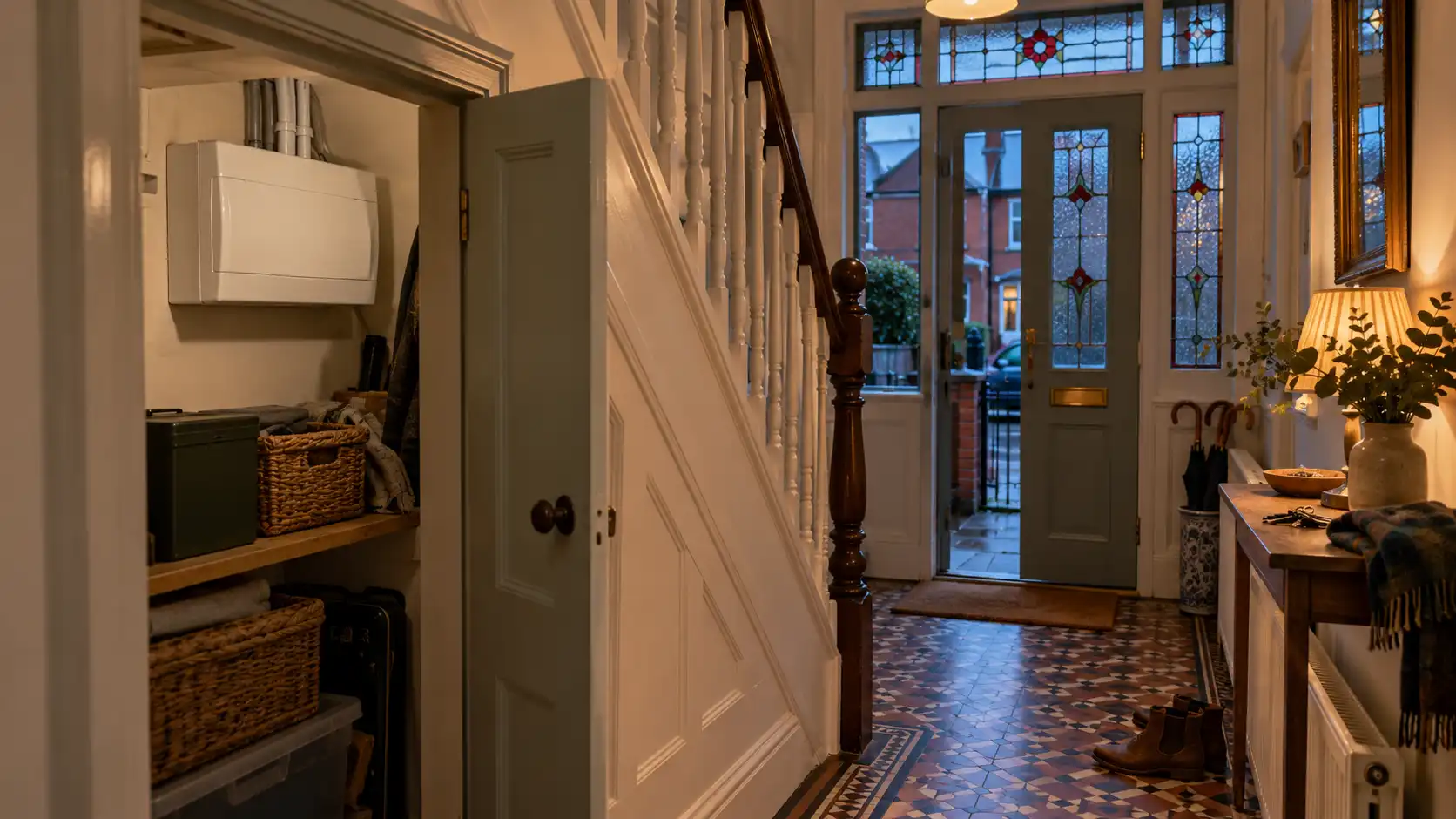
Your fuse board helps protect the electrical circuits supplying your home. Although it is often hidden inside a cupboard or beneath the stairs, its condition matters whenever you switch on a light, charge a device or use an appliance.
Older installations may have limited protection compared with a modern consumer unit. However, age alone does not determine whether a fuse board is unsafe. Its condition, protective devices and the results of electrical testing should guide any recommendation.
If you are considering a consumer unit upgrade, understanding the warning signs and replacement process can help you make an informed decision.
Older fuse boards may not offer the protection modern homes require. Discover the benefits of upgrading your consumer unit and improving electrical safety.


What Is a Consumer Unit?
A consumer unit distributes electricity to the circuits throughout your property. These typically supply lighting, sockets and equipment such as cookers or electric showers.
Often called a fuse box or fuse board, it contains a main switch and devices designed to disconnect circuits when certain faults occur.
Older boards may contain rewireable fuses, while newer installations use circuit breakers and additional protective devices. The main switch allows the installation to be isolated, but does not itself provide protection against electrical faults. Safe fuse-box upgrades for modern homes
A consumer unit upgrade involves replacing the existing board with equipment selected for the property’s electrical installation and requirements.
Signs Your Fuse Board Needs Professional Assessment
You do not need to remove the cover or inspect internal components yourself. Visible damage, changes in performance and an uncertain electrical history are reasons to seek professional advice.
Repeated Tripping
A circuit breaker or RCD that repeatedly trips may be responding to faulty equipment, damaged wiring or another electrical problem.
Tripping does not automatically mean the board needs replacing. The cause should be investigated before deciding whether a repair, appliance replacement or wider upgrade is appropriate.
Avoid repeatedly resetting a device without understanding why it is operating.
Burning Smells or Visible Damage
Scorch marks, melted components, crackling noises or a burning smell around the board require urgent attention.
Keep away from damaged equipment and contact an electrician promptly. If there is smoke or fire, leave the property and call 999.
Limited Electrical Protection
An older board may lack the additional RCD protection commonly provided in modern installations. An electrician can assess which circuits have suitable protection and explain whether improvements are needed.
Planned Home Improvements
Extensions, kitchen renovations and new electrical equipment can change what your installation needs.
Before adding circuits, arrange an assessment of the board, existing wiring and supply arrangements. Available space inside the enclosure does not, by itself, confirm that additional equipment can be connected safely.
How Does a Modern Fuse Board Improve Protection?
A modern fuse board can accommodate different devices, each performing a particular job.
Circuit breakers protect circuits against overloads and short circuits. RCD protection detects certain leakage currents and disconnects the supply to reduce the risk of electric shock. An RCBO combines residual current protection with overcurrent protection for an individual circuit.
Your electrician may also specify surge protection to help protect equipment against transient overvoltages. The appropriate combination depends on the installation and applicable requirements.
Ask your electrician to explain the proposed design in everyday language, including what each device protects and why it has been selected.
Does an Old Fuse Board Automatically Need Replacing?
An older fuse board should be assessed rather than condemned solely because of its appearance.
Electrical standards develop over time, but an existing installation is not automatically unsafe simply because it was installed under an earlier edition of the Wiring Regulations.
The assessment should consider damage, the condition of connections, protective measures, earthing and bonding, and relevant test results.
Where replacement is recommended, ask what specifically makes it necessary. A clear explanation should distinguish urgent defects from planned improvements and identify any associated work.
What Happens During Consumer Unit Installation?
Professional consumer unit installation involves assessment, replacement, testing and documentation.
Assessing the Existing Installation
Before replacement, the electrician checks whether the existing installation is suitable for connection to the new board.
This includes assessing the supply equipment and the adequacy of earthing and bonding. Testing may identify existing circuit faults that need attention before the work can be completed safely.
Agreeing the Work
The quotation should explain the proposed consumer unit, protective devices and any associated improvements.
Ask how unexpected defects will be handled and whether additional work requires a separate agreement. Discuss access, anticipated power interruptions and any essential equipment you rely on.
Replacing and Testing the Board
The electrician safely isolates the installation, replaces the board and completes the required inspection and testing.
Circuits with defects presenting immediate or potential danger should not simply be reconnected to a new consumer unit. Your electrician should explain any necessary repairs and their effect on the schedule.
Providing Documentation
An Electrical Installation Certificate should be issued for the completed replacement work. Retain this alongside the circuit information and other electrical records.
What Consumer Unit Regulations Apply?
For homeowners in Nottingham, replacement work needs to address both electrical installation standards and the relevant Building Regulations requirements in England.
BS 7671, the IET Wiring Regulations, sets out technical requirements for electrical installations. Domestic consumer units generally require a non-combustible enclosure or a suitable non-combustible cabinet; modern replacement boards commonly use metal enclosures.
Replacing a consumer unit is also notifiable work under Building Regulations in England. A suitably registered competent person can normally self-certify their work through their scheme. Otherwise, the appropriate building control route must be arranged.
Confirm who will handle notification and what compliance documentation you should receive. The Building Regulations compliance certificate is separate from the Electrical Installation Certificate.
Will a Fuse Board Replacement Mean Rewiring?
A fuse board replacement does not automatically require a complete house rewire.
Existing wiring may remain suitable for continued use, although testing can reveal faults or deterioration that require repairs or more extensive work.
Replacing the board also does not renew the wiring, sockets or connections elsewhere in the property. Any recommendation should reflect the condition of the installation as a whole.
For more information about assessing existing electrics, read our guide to how often your home’s electrics should be checked.
What Affects the Cost and Disruption?
The price depends on the number of circuits, protective devices, access and condition of the existing installation. Earthing or bonding improvements and repairs to existing faults can also affect the quotation.
Ask whether testing, certification, notification and any applicable VAT are included.
Power will need to be disconnected during the work. Agree the expected duration beforehand and mention medical equipment, home working, heating controls or other essential electrical needs.
A clear quotation helps you compare the proposed work rather than judging consumer unit upgrades on price alone.
Arrange a Consumer Unit Upgrade in Nottingham
If your board shows signs of damage, lacks suitable protection or needs assessment before planned electrical upgrades, speak to RJ Electrical Midlands Ltd.
Our fuse board upgrade service helps homeowners assess their existing equipment and arrange suitable improvements.
For an electrician in Nottingham, contact RJ Electrical Midlands Ltd to discuss your installation and request a quotation.
Frequently Asked Questions
How do I know whether I need a consumer unit upgrade?
Repeated tripping, visible damage, burning smells or missing additional protection justify professional assessment. An electrician should inspect and test the installation before recommending replacement. The board’s age alone does not establish whether it is unsafe or needs an immediate upgrade.
Is a consumer unit the same as a fuse board?
Consumer unit, fuse board and fuse box are commonly used names for equipment that distributes electricity around a property. Older boards often contain fuses, while modern units use circuit breakers and additional protective devices selected for the installation’s particular requirements.
Does replacing a fuse board mean my house needs rewiring?
Replacing the fuse board does not automatically require rewiring your home. Existing circuits need assessment to establish their condition and suitability. Testing may identify repairs or wider improvements, but recommendations should reflect actual findings rather than the board’s age alone.
What is the difference between an RCD and an RCBO?
An RCD detects certain leakage currents and disconnects the supply to reduce electric shock risks. An RCBO combines this function with protection against overloads and short circuits. Your electrician selects suitable devices according to the installation and its circuit requirements.
Will the electricity be switched off during installation?
Yes, the installation needs to be safely isolated during replacement work. Ask your electrician about the expected interruption before booking. Discuss medical equipment, working arrangements, heating and other essential supplies so you can prepare appropriately for the planned power shutdown.
What certificates should I receive after a consumer unit replacement?
You should receive an Electrical Installation Certificate documenting the replacement and testing. In England, consumer unit replacement also requires Building Regulations notification through the appropriate route. Confirm responsibility beforehand and retain the compliance documentation together with your electrical installation records.
Can a new consumer unit stop electrical faults?
A new consumer unit can improve protection, but it does not repair damaged wiring, faulty appliances or poor connections elsewhere. Existing problems need investigation and appropriate repairs. Protective devices may still trip when they detect faults after the upgrade work.