



How Often Should You Have Your Home’s Electrics Checked?
Introduction
Regular electrical inspections can help identify hidden faults before they become costly or dangerous. Learn when your property should be inspected and why it matters.
Your lights may work and your sockets may power everyday appliances, but that does not tell you everything about the condition of your electrical installation. Wiring, connections and protective devices can deteriorate without obvious external signs.
For most owner-occupied homes, electrical inspection and testing is recommended at least every 10 years. Private rented homes in England require inspections at least every five years, or sooner if the previous inspection report specifies a shorter interval. Faults and damage should always be investigated when they arise.
If you are unsure when your property was last checked, arranging a home electrical inspection provides a practical starting point.

What Is a Home Electrical Inspection?
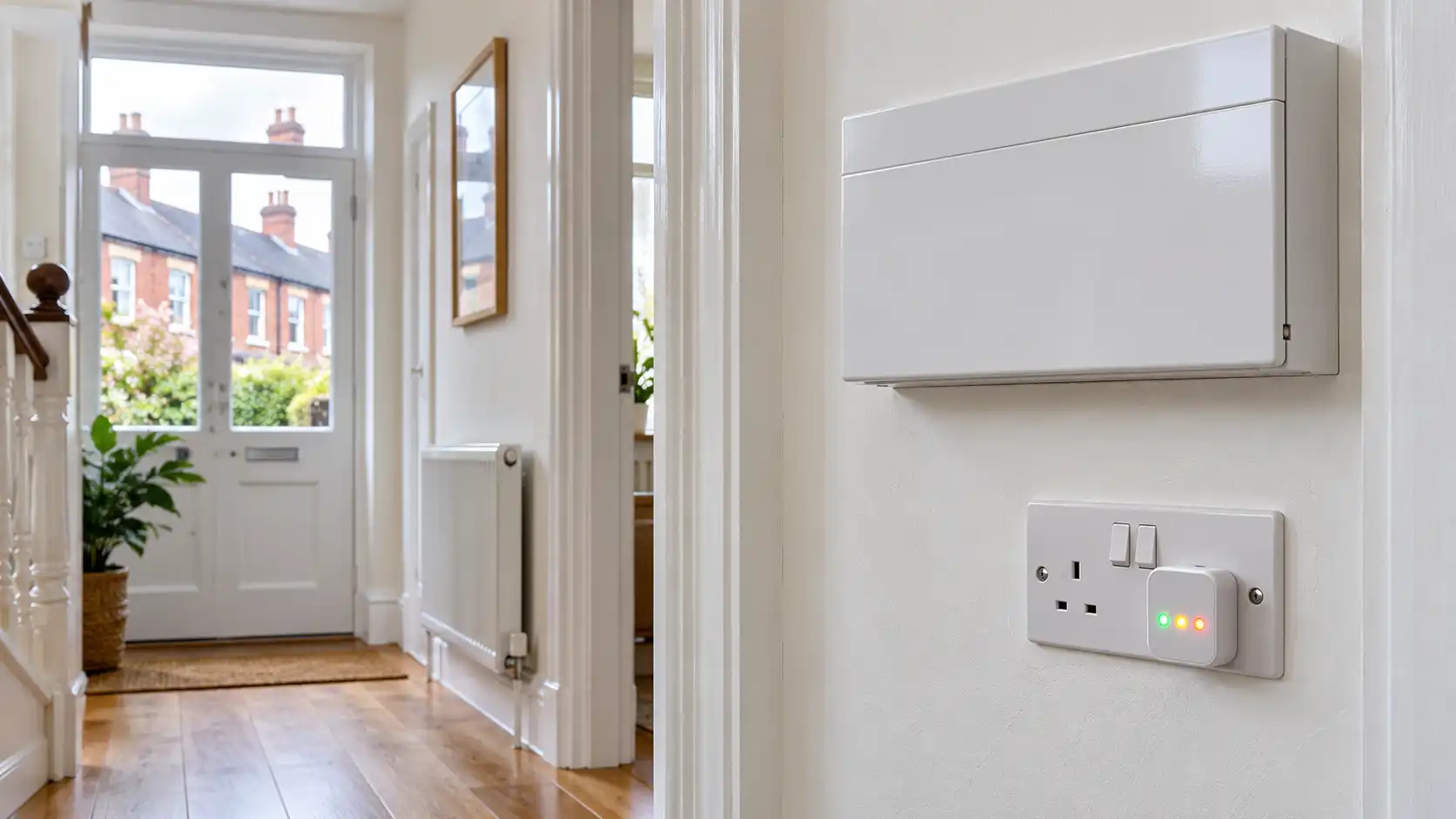
A home electrical inspection assesses the condition of your property’s fixed electrical installation. This includes wiring, sockets, switches, lighting circuits and the consumer unit, often called the fuse box.
The electrician combines visual inspection with electrical testing. Afterwards, you receive an Electrical Installation Condition Report, usually shortened to EICR, recording the findings and any recommended action.
This is more detailed than checking whether sockets and lights work. It helps assess whether the installation is suitable for continued use within the inspection’s agreed scope and limitations.
How Often Should Your Home’s Electrics Be Checked?
The right inspection schedule depends on how the property is occupied, its electrical condition and the recommendations recorded after previous testing.
Homes You Own and Live In
Electrical Safety First recommends inspection and testing every 10 years for owner-occupied homes. This is general safety guidance rather than a universal legal requirement for homeowners.
Check your previous report for the recommended next inspection date. If it specifies an earlier check, follow that advice rather than assuming you can wait a full decade.
Private Rented Properties
In England, private landlords must arrange inspection and testing by a qualified person at intervals of no more than five years. A shorter interval applies where the report requires it.
A change of tenant does not automatically require another full inspection if the existing report remains current and the relevant requirements have been met. However, damage or concerns about the installation may justify earlier testing.
Properties With an Unknown Electrical History
If you cannot find a previous report, do not assume the electrics have recently been checked. Ask the previous owner, landlord or managing agent for any available records.
When buying an older property, discussing electrical testing before completing the purchase can help you understand its condition and plan any necessary work. Electrical Safety First recommends periodic inspection before buying a previously occupied home.
Signs You Should Arrange an Earlier Electrical Safety Check
A scheduled inspection date should never become a reason to ignore a developing fault.
Warning signs include:
- Circuit breakers or RCDs repeatedly tripping.
- Flickering lights or intermittent electrical supplies.
- Scorch marks or discolouration around sockets.
- Burning smells near electrical fittings.
- Cracked switches, damaged sockets or exposed wiring.
- Electric shocks or tingling when touching equipment.
RJ Electrical Midlands identifies frequent tripping, flickering lights and overheating sockets as reasons to have your electrical installation assessed.
Stop using affected equipment and seek professional advice promptly. If there is smoke or fire, leave the property and call 999.
What Does Electrical Testing Cover?
The inspection scope should be agreed before work begins. Typical areas assessed include the condition of wiring and accessories, the consumer unit, protective devices, and the adequacy of earthing and bonding.
Testing can help identify electrical defects that are not apparent during everyday use. Access restrictions or other limitations should be recorded in the report.
Portable appliances, such as kettles and televisions, are generally separate from the fixed installation. An EICR should therefore not be treated as confirmation that every appliance in your home is safe.
What Happens if the Inspection Finds Problems?
The electrician should explain the findings, their significance and the next steps. An unsatisfactory report does not automatically mean your property needs a complete rewire.
Some issues may require a targeted repair; others may need further investigation before the appropriate work can be determined.
For private rented homes in England, required remedial or investigative work must generally be completed within 28 days, or sooner where the report specifies. Immediate dangers require immediate attention.
Ask for a clear explanation of priorities and retain the report together with documentation for any completed work.
Is an EICR an Electrical Safety Certificate?
“Electrical safety certificate” is a common search term, but it can describe different documents.
An EICR records the condition of an existing electrical installation. An Electrical Installation Certificate documents qualifying installation work, such as a new installation or complete rewire. The documents serve different purposes, so explain what you need when booking.
Preparing for Your Inspection
Before the appointment, gather previous electrical reports and certificates. Tell the electrician about recurring problems, recent alterations and any areas that may be difficult to access.
Ask how long the visit is likely to take and discuss expected power interruptions. Mention medical equipment, home working arrangements or other essential electrical needs in advance.
Confirm whether the quotation includes the report and how any additional repairs would be priced. This helps you understand the appointment and plan around it.
Electrical Maintenance Between Inspections
Periodic testing is one part of looking after your home. Continue checking for visible damage and report changes such as repeated tripping, unusual smells or unreliable fittings.
Keep electrical records together so that future inspections and repairs can take account of previous findings. Avoid attempting repairs yourself or repeatedly resetting a protective device without understanding why it is operating.
If something changes after a satisfactory inspection, seek electrical safety advice. A report records conditions at the time of inspection; new faults can still develop afterwards.
Book an Electrical Inspection in Nottingham
If your next inspection is due, your electrical history is unclear or you have noticed warning signs, speak to RJ Electrical Midlands Ltd.
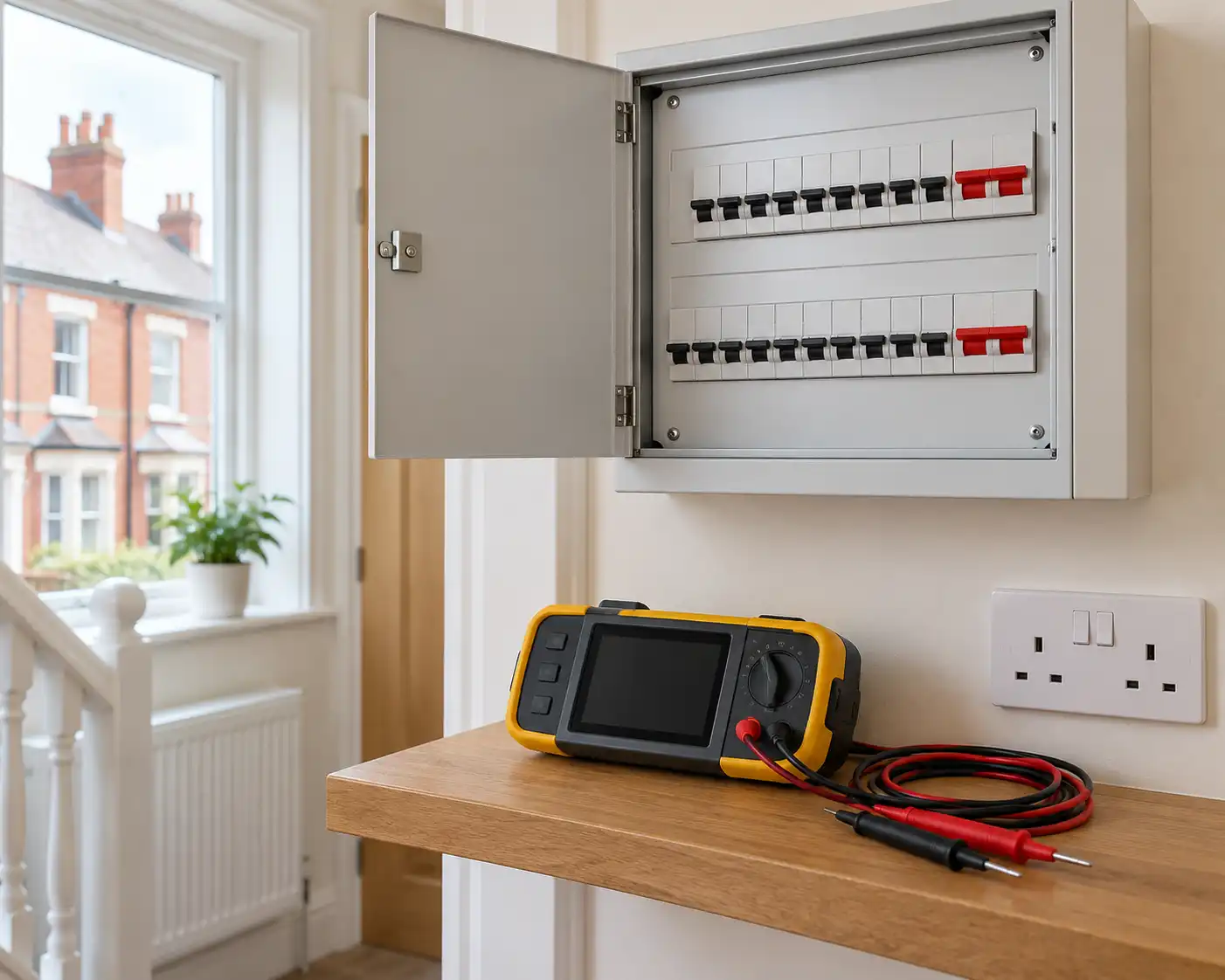
Our electrician Nottingham services include electrical inspections, testing and EICR reports. We also provide domestic electrical services for homeowners needing repairs, maintenance and improvements.
Discuss your electrical inspection requirements with RJ Electrical Midlands.
Frequently Asked Questions
How often should I have my home’s electrics checked?
Owner occupied homes should generally have their fixed electrical installation inspected every ten years. Arrange checks sooner if the previous report recommends it, faults develop, or the wiring history is unclear. Rental properties normally require more frequent inspections and testing.
What does a home electrical inspection include?
A home electrical inspection assesses the fixed installation, including wiring, sockets, lighting circuits, the consumer unit, earthing and bonding. The electrician combines visual checks with electrical testing and records findings, limitations and recommended actions in an Electrical Installation Condition Report.
Is an electrical safety check a legal requirement?
For most homeowners living in their own property, periodic electrical inspections are recommended rather than a general legal requirement. In England, private landlords must arrange inspections at least every five years, or sooner where the previous report specifies shorter intervals.
Is an EICR the same as an electrical safety certificate?
People often use electrical safety certificates to describe an EICR, but the terms are not interchangeable. An EICR reports on an existing installation’s condition. An Electrical Installation Certificate documents qualifying installation work, such as a complete rewire or new installation.
How long does a home electrical inspection take?
Inspection time depends on the property’s size, circuit numbers, accessibility and condition. Ask your electrician for an estimate before booking. Electrical testing requires temporary power interruptions, so discuss arrangements, medical equipment and other essential electrical needs ahead of the appointment.
What signs mean I need an electrical inspection sooner?
Frequent tripping, burning smells, scorched sockets, electric shocks and damaged fittings need prompt professional attention. Stop using affected equipment and contact an electrician. Do not wait until your next scheduled inspection, because an existing report cannot rule out new faults.
What happens if my home receives an unsatisfactory EICR?
An unsatisfactory EICR identifies issues requiring action, rather than automatically meaning your home needs rewiring. Ask the electrician to explain each finding and its urgency. Arrange necessary repairs or investigation promptly, and retain the report alongside documentation confirming completed work.