



The Hidden Electrical Dangers Many Homeowners Ignore
Introduction
Electrical problems are not always obvious. While a complete power cut or sparking socket will immediately attract attention, many potentially dangerous electrical faults develop quietly behind walls, inside consumer units or within ageing electrical accessories.
Good electrical safety is about recognising warning signs before they develop into more serious problems. Flickering lights, warm sockets, frequently tripping circuits and unusual smells can all indicate that your electrical system needs professional attention.
Regular electrical safety checks and timely repairs can help protect your property, appliances and everyone living in your home.
At RJ Electrical Midlands Ltd, we provide professional electrical services for homeowners who need help identifying faults, assessing existing installations and carrying out necessary electrical repairs.

Why Is Electrical Safety So Important at Home?
Modern households rely heavily on electricity. From kitchen appliances and heating systems to televisions, computers, chargers and smart technology, the demands placed on domestic electrical installations can be considerable.
Problems can develop when wiring becomes damaged, electrical components deteriorate or older installations are expected to support modern electrical loads.
Ignoring electrical hazards may increase the risk of:
- Electric shocks
- Electrical fires
- Damaged appliances
- Overheated wiring
- Circuit failures
- Repeated power interruptions
- Costly electrical repairs
A professional home electrical inspection can help identify potential problems that might otherwise remain unnoticed.
1. Frequently Tripping Circuit Breakers
A circuit breaker or RCD is designed to disconnect electricity when it detects certain problems. An occasional trip may happen, but repeated tripping should not simply be treated as an inconvenience.
Frequent tripping could indicate an overloaded circuit, faulty appliance, wiring problem or another electrical fault.
Repeatedly resetting the circuit without identifying the cause may leave an underlying problem unresolved.
If your electrics keep tripping, a qualified electrician can carry out appropriate testing and fault finding to determine what is happening.
2. Flickering or Dimming Lights
Do your lights flicker when you switch on another appliance? Does one room regularly experience dimming or unstable lighting?
A loose lamp or failing bulb may be responsible in some cases, but persistent flickering can also indicate problems with connections, circuits or the wider electrical installation.
If changing the bulb does not solve the problem, professional investigation is advisable.
An experienced electrician in Nottingham can inspect the affected circuit and determine whether electrical repairs are required.
3. Warm or Discoloured Sockets and Switches
Sockets and switches should not normally become excessively hot during everyday use.
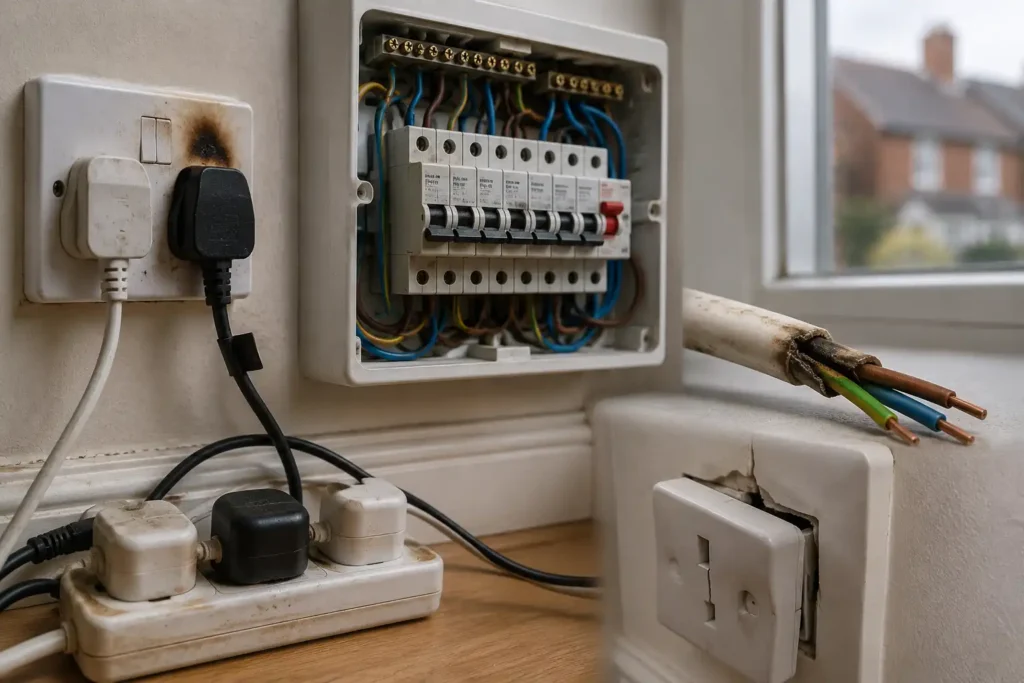
If you notice a socket plate becoming unusually warm, dark marks around a plug, melted plastic or visible discoloration, stop using the affected outlet and arrange professional advice.
These signs can potentially indicate overheating, damaged components or loose electrical connections.
Electrical overheating should never be ignored because excessive heat around electrical components may create a fire risk.
4. Burning Smells Without an Obvious Source
An unexplained burning or hot-plastic smell can be an important electrical warning sign.
The smell may originate from an overheating plug, socket, cable, appliance or electrical connection. In some situations, the source may be hidden behind a wall or inside an electrical accessory.
If you suspect an electrical burning smell, do not continue using the affected circuit or appliance while hoping the problem disappears.
Arrange an inspection by a qualified electrician as soon as possible.
5. Buzzing or Crackling Electrical Accessories
Your sockets, switches and electrical fittings should generally operate quietly.
Buzzing, crackling or sizzling noises can indicate loose connections, damaged accessories or electrical arcing. These problems require professional investigation rather than DIY repair.
Never remove electrical accessories or attempt repairs unless you are appropriately competent and qualified to carry out the work safely.
6. Loose or Damaged Plug Sockets
A socket that moves when you remove a plug may seem like a minor problem, but damaged or loose electrical accessories should be repaired.
You should also look out for:
- Cracked socket faces
- Loose switches
- Exposed internal components
- Damaged plugs
- Bent pins
- Scorch marks
- Plugs that do not fit securely
Damaged accessories can expose users to electrical hazards and should be assessed before they deteriorate further.
7. Overloaded Extension Leads
Extension leads are useful, but they are not designed to replace an adequate number of permanent sockets.
Connecting numerous appliances to one extension lead can create excessive demand, particularly when higher-powered appliances are involved.
Avoid connecting extension leads together or relying on multiple adaptors as a permanent solution.
If your household constantly needs additional sockets, ask an electrician whether professionally installed socket outlets would provide a safer and more practical solution.
8. Ageing Electrical Wiring
Electrical wiring does not necessarily become unsafe simply because it is old. However, older installations can contain deteriorated components, outdated protective measures or previous alterations that need investigation.
Potential warning signs include:
- Old or damaged electrical accessories
- Regular circuit problems
- Unexplained power loss
- Evidence of previous DIY alterations
- Insufficient sockets
- Outdated consumer units
If you live in an older property and are unsure about its electrical condition, arranging professional electrical safety checks can provide valuable information about the installation.
9. DIY Electrical Repairs
DIY electrical work can create significant problems when it is completed incorrectly.
Loose connections, incorrect cable selection, unsuitable accessories and poorly executed alterations can potentially remain hidden for months or years.
A repair may appear to work while still creating an underlying safety concern.
If you discover unusual wiring, unfinished electrical work or alterations completed by a previous homeowner, consider having the installation inspected by a qualified electrician.
10. Electrical Hazards Around Water
Electricity and water are a dangerous combination, which makes electrical safety particularly important in kitchens, bathrooms, utility rooms and outdoor areas.
Electrical installations in these locations must be suitable for the environment and correctly positioned.
Never use damaged electrical equipment around water. Outdoor sockets and electrical equipment should also be suitable for their intended location and installed correctly.
Professional electricians understand the requirements for electrical installations in higher-risk environments.
11. Ignoring Small Electric Shocks
A tingling sensation or small electric shock from an appliance, switch or other electrical item should not be considered normal.
Even if the shock seems minor, it can indicate a potentially serious electrical problem.
Stop using the equipment where possible and arrange professional investigation. An electrician can perform electrical testing to identify the source of the fault and recommend appropriate repairs.
12. Problems Hidden Inside the Consumer Unit
The consumer unit plays a central role in distributing and protecting electrical circuits throughout your home.
Because homeowners rarely interact with it beyond resetting a tripped circuit, developing problems may go unnoticed.
Warning signs can include repeated tripping, unusual noises, burning smells, visible heat damage or deterioration.
If you suspect a consumer unit problem, avoid opening or dismantling it yourself. Contact a qualified electrician for professional assessment.
What Does a Home Electrical Inspection Check?
The exact scope depends on the type of inspection or electrical testing required.
A qualified electrician may assess aspects such as:
- Wiring condition
- Electrical accessories
- Earthing and bonding
- Circuit protection
- Consumer unit condition
- Signs of overheating or deterioration
- Potentially unsafe alterations
- Electrical faults requiring further investigation
Professional testing provides considerably more information than a simple visual check.
If you are concerned about the condition of your property’s electrics, contact RJ Electrical Midlands Ltd to discuss the most appropriate inspection or testing service.
When Should You Arrange Electrical Safety Checks?
You should consider seeking professional advice whenever you notice changes in how your electrical system behaves.
Contact an electrician if you experience repeated tripping, flickering lights, damaged sockets, unusual noises, burning smells, electric shocks or unexplained electrical problems.
A professional inspection may also be worthwhile when buying an older property, planning renovations or when you simply do not know the condition or history of the existing electrical installation.
Why You Shouldn’t Ignore Electrical Faults
Electrical faults rarely improve by themselves.
A loose connection can deteriorate. A damaged socket can become worse. Repeated circuit tripping may continue until the underlying cause is identified.
Early investigation can help locate problems before they cause further damage or disruption.
Professional electrical repairs in Nottingham can address faults correctly rather than relying on temporary fixes that leave the underlying issue unresolved.
Do I Need an Electrician for an Electrical Fault?
Electrical work can present serious safety risks, particularly when the fault is hidden within fixed wiring or electrical distribution equipment.
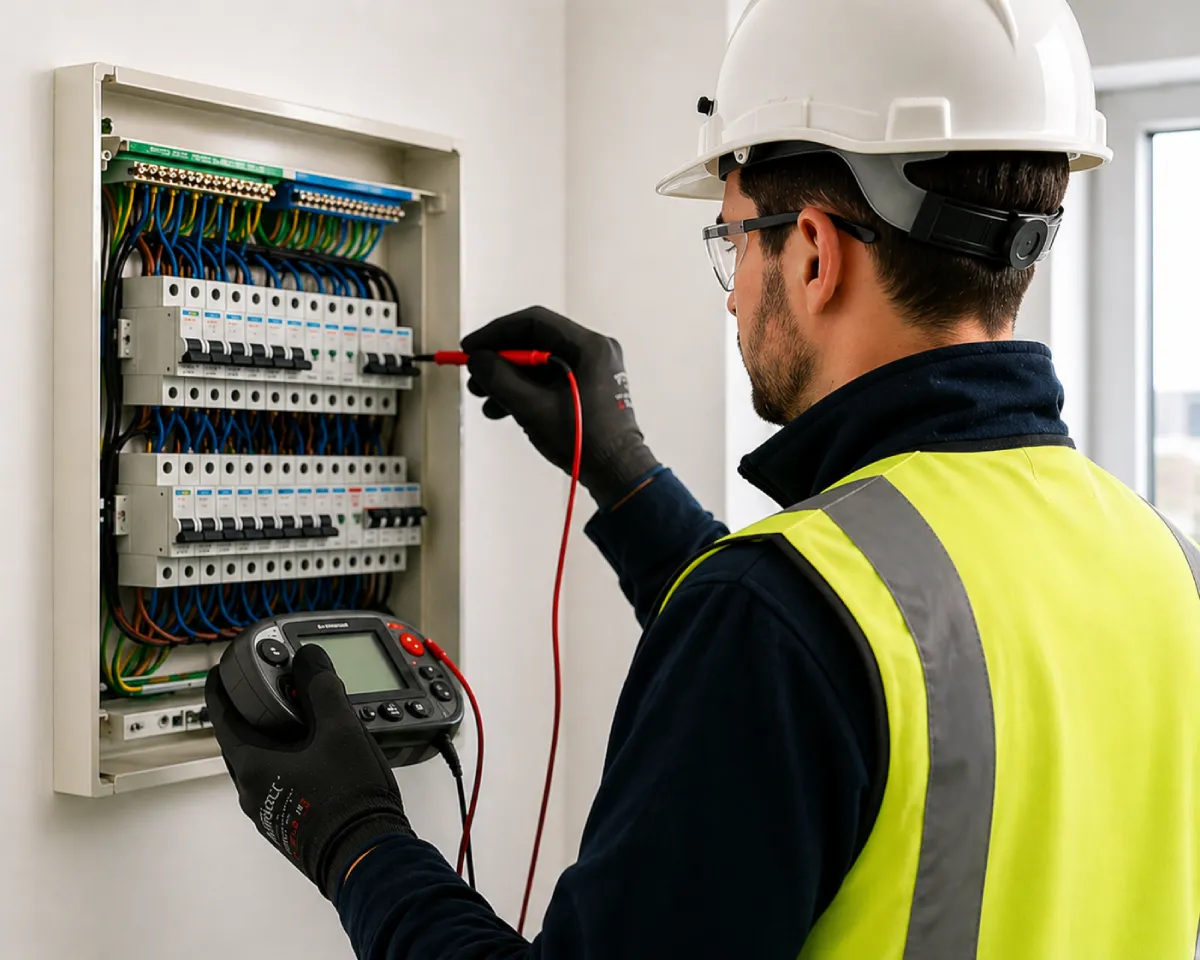
A qualified electrician has the appropriate knowledge, testing equipment and experience to investigate electrical problems systematically.
Rather than guessing which component is responsible, professional electrical fault finding can help identify the source of the problem and establish what repair work is required.
Need an Electrician in Nottingham?
If you have noticed warning signs in your home, don’t wait for a small electrical issue to develop into a larger problem.
RJ Electrical Midlands Ltd provides professional electrical services for homeowners requiring electrical inspections, fault finding, safety checks and electrical repairs.
Whether you are dealing with frequently tripping electrics, damaged sockets, unexplained power problems or concerns about an older installation, professional advice can help you understand what action is needed.
Contact RJ Electrical Midlands Ltd today to arrange an electrical inspection or discuss electrical repairs in Nottingham.
Frequently Asked Questions
What are the most common electrical hazards in a home?
Common electrical hazards include damaged sockets, overloaded extension leads, loose connections, ageing wiring, faulty appliances and exposed electrical components. Flickering lights, burning smells and frequently tripping circuits can also indicate problems requiring professional investigation by an electrician.
How do I know if my home has electrical faults?
Warning signs include flickering lights, warm sockets, burning smells, buzzing noises, repeated circuit trips and unexplained power loss. If these problems occur regularly, arrange professional electrical safety checks to identify the underlying fault and necessary repairs.
How often should electrical safety checks be carried out?
The appropriate frequency depends on the property’s age, condition, use and electrical installation. Homeowners should seek professional advice if they notice warning signs or are uncertain when their electrical system was last properly inspected and tested.
Should I worry if my circuit breaker keeps tripping?
Repeated circuit breaker or RCD tripping should be investigated because it may indicate an overloaded circuit, faulty appliance or wiring problem. Avoid repeatedly resetting the system without determining why the protective device continues to operate in your home.
Can I repair an electrical fault myself?
Electrical repairs can expose you to serious risks if completed incorrectly. Fixed wiring, consumer units and unexplained faults should generally be investigated by a competent electrician who can test the installation, identify the cause and complete repairs safely.
When should I call an electrician in Nottingham?
Contact an electrician if you experience burning smells, electric shocks, repeated tripping, damaged sockets, buzzing sounds, flickering lights or unexplained power problems. Prompt professional investigation can identify electrical hazards and determine whether repairs or further testing are necessary.