



Landlord Electrical Responsibilities: What You Need to Know in 2026
Introduction
A practical guide to EICRs, electrical safety regulations, and the legal responsibilities every landlord should understand.
Letting a property comes with ongoing electrical safety responsibilities. From arranging a Landlord EICR to addressing faults and sharing inspection reports, landlords need a clear process for keeping their rental properties safe.
If you own or manage rental accommodation in Nottingham or the Midlands, understanding landlord electrical regulations can help you plan inspections and avoid missed deadlines. This guide explains the main requirements for residential rental properties in England as at October 2026, alongside practical steps for managing electrical safety between inspections.
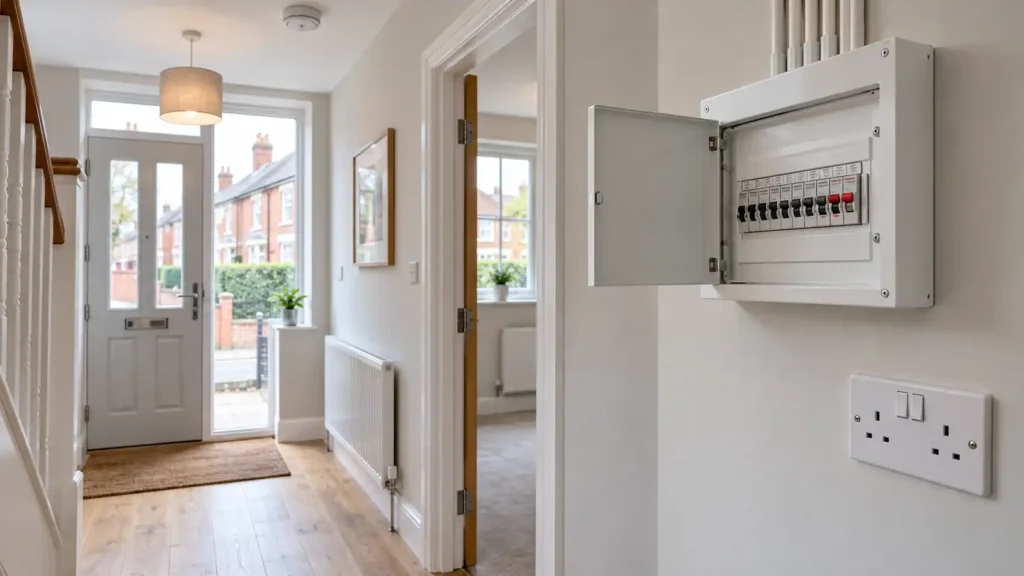

What Are Your Main Landlord Electrical Responsibilities?
For tenancies covered by England’s electrical safety regulations, landlords must ensure electrical safety standards are met throughout the tenancy.
The fixed electrical installation must be inspected and tested by a qualified person at intervals of no more than five years, or sooner where the previous report specifies a shorter interval.
You must obtain the inspection report, provide copies within the required deadlines and complete necessary remedial work or further investigation. Specific exclusions apply, so check unusual letting arrangements before assuming they are exempt. www.legislation.gov.uk
What Is a Landlord EICR?
A Landlord EICR, or Electrical Installation Condition Report, records the condition of a property’s fixed electrical installation following inspection and testing. It identifies safety concerns and states whether the installation is satisfactory for continued use.
The inspection covers fixed wiring, sockets, light fittings and the consumer unit, together with relevant permanently connected equipment. It can identify defective electrical work, shock risks, fire hazards and problems with earthing or bonding.
Although often described as an “electrical certificate for landlords”, an EICR is a condition report. An unsatisfactory report does not demonstrate that the required repairs have been completed.
RJ Electrical Midlands Ltd provides EICR inspections and landlord certificates for property owners in Nottingham and the wider Midlands.
When Should You Arrange an Electrical Inspection?
Check the next inspection date on your existing report rather than assuming every EICR lasts five years. Where the inspector specifies a shorter interval, that earlier deadline matters.
A change of tenant does not automatically require a new EICR if the existing report remains current and applicable. However, incoming tenants must receive a copy before occupying the property. Damage, alterations or new electrical concerns may justify an earlier inspection.
Record the next inspection date alongside your tenancy information and book ahead. Allow time for access arrangements, testing and any work identified before the deadline.
Our guide to when you need an electrical safety certificate provides further background.
Who Must Receive the EICR?
Providing the report is an essential part of rental property electrical compliance.
Recipient | Deadline |
Existing tenants | Within 28 days of inspection and testing |
New tenants | Before they occupy the property |
Prospective tenants | Within 28 days of receiving a request |
Local council | Within seven days of receiving a request |
Retain the report and give it to the person carrying out the next inspection. Keep a record of when copies were supplied.
What Happens If the Property Fails Its EICR?
An unsatisfactory EICR requires action. The report’s classification codes explain the concerns:
Code | Meaning |
C1 | Danger is present and immediate action is needed |
C2 | A potentially dangerous condition requires remedial work |
FI | Further investigation is required without delay |
C3 | Improvement is recommended; this alone does not make the report unsatisfactory |
These codes help landlords distinguish required action from recommended improvements.
Required work must be completed within 28 days, or sooner if the report specifies a shorter period. Immediate danger should never be left until the end of that window.
After completion, obtain written confirmation from the qualified person. Provide it, together with the report, to the tenant and local council within 28 days of completing the work.
Do Landlords Need PAT Testing?
An EICR assesses the fixed installation. It does not replace appropriate checks of appliances supplied with the tenancy, such as fridges, microwaves or washing machines.
Private landlords must keep the electrical equipment they provide safe. There is no blanket annual PAT testing requirement under England’s rental electrical safety regulations. Suitable inspection and testing should reflect the equipment’s condition, use and risk.
Social landlords have additional equipment-checking duties, including checks by a qualified person at least every five years. The same appliance-testing timetable should not be assumed to apply to every private tenancy.
What Is Different in 2026?
Private landlords whose inspections took place in 2021 may reach their five-year renewal point in 2026. Check your report, as some installations have an earlier deadline.
The regulations have also been extended to social housing. For qualifying social tenancies granted before 1 December 2025, transitional provisions require initial installation inspections and equipment checks before 1 November 2026. www.legislation.gov.uk
Managing Electrical Safety Between Inspections
A current EICR should sit alongside an organised maintenance process. Give tenants a clear way to report electrical concerns and arrange professional assessment when faults arise.
For property managers, a central record can include inspection dates, outstanding actions, repair certificates, appliance details and evidence of reports sent to tenants. Assign someone to monitor deadlines and follow up until required actions are complete.
If access is refused, keep evidence of appointment offers and communications with the tenant and electrician. Take reasonable steps to arrange access and seek appropriate advice if the problem continues.
Choosing an Electrician for Your Rental Property
An electrical inspection for landlords must be carried out by someone competent to undertake the required inspection and testing.
Confirm how the results will be explained and how necessary repairs will be priced. This helps you understand the next steps and budget separately for inspection and remedial work.
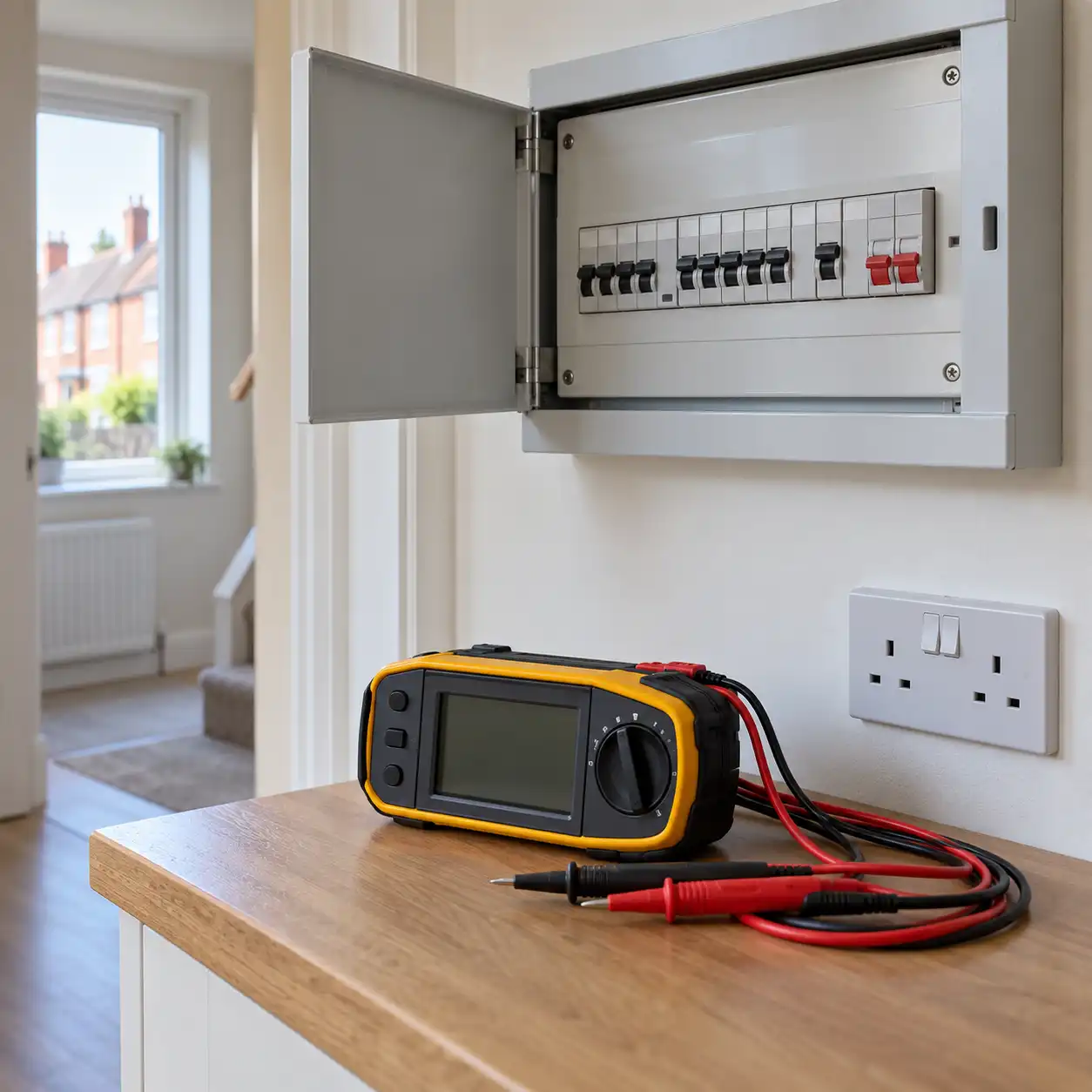
Arrange a Landlord EICR in Nottingham
Whether you manage one rental home or several properties, planning inspections ahead of time makes it easier to coordinate access and address defects.
RJ Electrical Midlands Ltd provides EICR testing and electrical services across Nottingham and the Midlands. If you need an EICR in Nottingham or support with property management electrical services, enquire about our landlord EICR service to discuss your property, inspection dates and outstanding electrical concerns.
Frequently Asked Questions
Is a Landlord EICR a legal requirement?
Yes, for residential tenancies covered by England’s electrical safety regulations. Landlords must arrange inspection and testing by a qualified person, obtain the report, share it as required and address defects within the applicable legal deadlines.
How often does a rental property need an EICR?
Covered rental properties need inspection and testing at least every five years. If the report specifies an earlier date, that shorter interval applies. New damage or electrical concerns may also justify arranging an inspection sooner.
Do I need a new EICR whenever tenants change?
A tenancy change does not automatically require another EICR where the existing report remains current and applicable. Give new tenants a copy before occupation, and consider whether damage or alterations warrant an earlier professional assessment.
What should I do if my rental property fails its EICR?
Arrange the required repairs or further investigation within 28 days, or any shorter deadline specified. Address immediate danger urgently, obtain written confirmation of completed work and supply the necessary documents to tenants and the council.
Is annual PAT testing compulsory for private landlords?
There is no blanket annual PAT testing requirement for private landlords under England’s rental electrical safety regulations. However, landlord-supplied appliances must remain safe, with suitable inspection and testing based on their condition, use and risk.
Can RJ Electrical Midlands Ltd arrange an EICR in Nottingham?
RJ Electrical Midlands Ltd provides EICR inspections and landlord certificates across Nottingham and the Midlands. Contact the team to discuss your rental property, the next inspection date and any electrical concerns that may need attention.