



7 Signs Your Home May Need a Full Rewire
Introduction
The electrical wiring inside your home is largely hidden behind walls, beneath floors and above ceilings. Because you cannot see most of it, outdated or deteriorating wiring can easily go unnoticed until electrical problems begin to appear.
A full rewire replaces outdated or unsuitable wiring and provides an opportunity to bring the electrical installation up to modern requirements. It can also make your home better suited to today’s electrical demands, from kitchen appliances and home offices to entertainment systems and EV charging.
But how do you know when you need to rewire a house rather than simply repair an individual fault?
Here are seven important warning signs that could indicate it is time to speak with a qualified rewiring electrician.
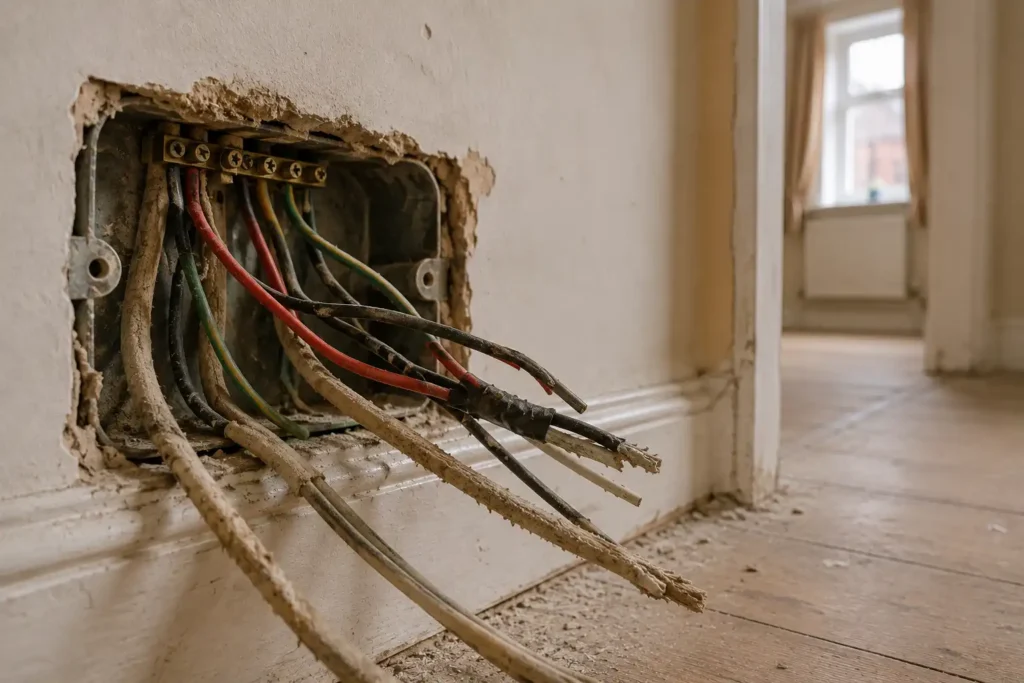

Is It Time to Rewire Your Home? 7 Signs to Look For
Discover seven common signs your home may need rewiring, from outdated wiring and frequent electrical faults to burning smells, damaged sockets and systems struggling with modern electrical demands.
1. Your Property Has Very Old Wiring
The age of a property does not automatically mean it requires rewiring. However, an older electrical installation that has not been substantially upgraded for many years deserves closer attention.
Electrical systems have changed significantly over time. Older homes may contain wiring, accessories and protective equipment that are no longer suitable for the way modern households use electricity.
Signs of an older installation can include:
- Outdated electrical accessories
- Old-style fuse boxes
- Limited numbers of sockets
- Older cable types
- Numerous previous alterations
- Lack of modern circuit protection
If you own an older property and do not know when the wiring was last replaced, arranging an electrical inspection is a sensible starting point.
A qualified electrician can assess the installation and determine whether old wiring replacement, individual improvements or a complete rewire should be considered.
2. Your Fuse Box or Consumer Unit Looks Outdated
Your consumer unit is an important part of your home’s electrical installation. It distributes electricity across individual circuits and contains protective devices designed to respond when certain faults occur.
An old fuse box can be an indication that other parts of the electrical installation are also ageing.
However, an old consumer unit alone does not necessarily mean the entire property requires rewiring.
A professional electrician should consider the condition of the complete installation rather than recommending a full rewire based on one component.
If the wiring is satisfactory, a consumer unit upgrade and other targeted electrical upgrades may sometimes be more appropriate.
3. Your Circuit Breakers Keep Tripping
Circuit breakers and RCDs are designed to disconnect electricity when particular problems are detected. Occasional tripping can occur because of a faulty appliance, but frequent or unexplained tripping should be investigated.
Potential causes can include:
- Faulty appliances
- Circuit overload
- Damaged wiring
- Loose connections
- Deteriorating electrical components
- Insulation problems
If several circuits are affected or testing identifies widespread problems, more extensive electrical rewiring may be recommended.
Do not simply continue resetting a circuit that repeatedly trips. Identifying the underlying cause is essential.
4. You Notice Burning Smells, Heat or Discolouration
Burning smells around sockets, switches or other electrical accessories should never be ignored.
Likewise, look out for:
- Scorch marks
- Discoloured sockets
- Melted plastic
- Unusually warm outlets
- Crackling sounds
- Buzzing from electrical accessories
These symptoms can indicate loose connections, overheating or damaged electrical components.
Stop using an affected socket or appliance where it is safe to do so and contact a qualified electrician.
Although an isolated problem may only require a local repair, signs of deterioration across several areas of a property could indicate that a wider electrical upgrade is needed.
5. Your Lights Frequently Flicker or Dim
A single flickering light may simply need a new bulb. Persistent flickering or dimming across your property, however, deserves further investigation.
If lights regularly change brightness when appliances are switched on, or several rooms experience similar problems, there may be an issue with circuits, connections or another part of the electrical installation.
A rewiring electrician can carry out appropriate electrical testing to determine the cause.
The important point is not to assume that flickering lights are always harmless. When they occur alongside other symptoms of an ageing installation, they can form part of a wider pattern.
6. You Rely Heavily on Extension Leads
Think about how many electrical devices are used in the average modern home.
Televisions, computers, phones, kitchen appliances, chargers, smart devices and entertainment equipment all require convenient access to power.
Older properties were often designed with far fewer sockets because households simply used fewer electrical devices.
As a result, homeowners can become dependent on extension leads and adaptors.
Heavy reliance on extension leads does not automatically mean you need a full rewire, but it may show that the current electrical installation no longer meets your household’s needs.
Rewiring provides an opportunity to plan additional sockets and circuits based on how you actually use each room.
7. You’re Planning a Major Renovation
A major home renovation can be an ideal time to assess your electrical installation.
If walls, ceilings and floors are already being opened or replaced, completing necessary electrical rewiring at the same time can make practical sense.
This is particularly relevant when:
- Renovating an older property
- Installing a new kitchen
- Adding an extension
- Converting a loft
- Changing the internal layout
- Adding significant electrical equipment
- Modernising a recently purchased property
Planning electrical work alongside the wider renovation can help ensure sockets, lighting, switches and circuits are positioned around the finished layout.
What Is a Full House Rewire?
A full house rewire involves replacing existing electrical wiring and associated components throughout a property where required.
The exact scope varies according to the property’s existing installation and the homeowner’s requirements.
Rewiring can include new:
- Electrical cabling
- Socket outlets
- Light switches
- Lighting points
- Circuits
- Consumer unit equipment
- Smoke alarm wiring
- Kitchen electrical supplies
- Outdoor electrical supplies
The installation can also be designed around additional requirements such as home offices, electric heating, smart-home equipment or future EV charging.
A professional assessment is necessary to establish exactly what work your property requires.
What Are the Benefits of Electrical Rewiring?
Improved Electrical Safety
One of the main reasons for replacing old or deteriorated wiring is safety.
Modern wiring, appropriate circuit protection and correctly installed electrical accessories can help reduce risks associated with an ageing or unsuitable electrical system.
A System Designed for Modern Living
Electrical demands have changed considerably.
A modern installation can be designed around today’s appliances, devices and household routines rather than relying on an electrical layout installed decades ago.
More Convenient Sockets
Rewiring allows you to reconsider where electrical outlets are positioned.
Additional sockets can reduce dependence on extension leads and provide convenient power where it is actually needed.
Better Lighting Options
A rewire is also an opportunity to redesign lighting.
You may want additional ceiling lights, wall lights, outdoor lighting, dimmers or dedicated lighting for kitchens and workspaces.
Preparation for Future Electrical Upgrades
If you are planning future additions such as an EV charger, smart-home equipment or other electrical technology, discussing these requirements during a rewire can help you prepare your installation appropriately.
Does an Old House Automatically Need Rewiring?
No.
Property age alone cannot tell you whether a complete rewire is required.
An older house may have had its electrical installation professionally upgraded in recent years, while a newer property could have electrical problems caused by poor alterations or damage.
The condition of the actual electrical installation matters more than the age of the building.
If you are uncertain, arrange an inspection with a qualified electrician before deciding whether to rewire your house.
Can You Rewire a House Without Moving Out?
Whether you can remain at home depends on the scale and organisation of the project.
Full rewiring can be disruptive because electricians may need access to numerous rooms, floor areas, walls, ceilings, sockets and electrical circuits.
Power will also need to be isolated at different stages.
Discuss your circumstances with your electrician before work begins. They can explain the likely process and help you understand how the work may affect normal use of your property.
How Long Does a Full Rewire Take?
There is no single timeframe that applies to every property.
The duration depends on factors such as:
- Property size
- Number of rooms
- Accessibility
- Existing wiring
- Number of circuits
- Required sockets and lighting points
- Additional electrical upgrades
- Whether the property is occupied
- Complexity of the installation
A smaller, straightforward property will generally require less time than a large home with extensive electrical requirements.
Your electrician should explain the expected timescale after assessing your property and discussing your requirements.
How Much Does a Home Rewire Cost?
Home rewire cost varies considerably because every property and electrical installation is different.
The cost can be affected by property size, accessibility, number of circuits, sockets and lighting points, consumer unit requirements and any additional electrical work requested.
A simple two-bedroom property and a large multi-storey house will naturally have different requirements.
The most reliable way to establish the cost is to arrange a property assessment and obtain a quotation based on the work actually required.
Be cautious about relying solely on generic online rewire prices, as they may not reflect the condition or specification of your property.
Do You Need an Electrical Inspection Before Rewiring?
An electrical inspection can help establish the condition of an existing installation and identify defects or areas requiring attention.
Importantly, not every electrical problem requires a complete rewire.
Professional testing may reveal that only specific circuits, accessories or components need attention. Alternatively, widespread deterioration or an unsuitable installation may make more extensive rewiring the appropriate option.
This is why professional assessment should come before assuming that your home needs a complete rewire.
Should You Rewire Before Decorating?
If rewiring is necessary, it is generally sensible to complete the electrical work before undertaking major decorating.
Rewiring can involve accessing cables behind walls, beneath floors or above ceilings. Depending on the installation method and property construction, some areas may require making good afterwards.
Planning the electrical work first prevents newly decorated surfaces from being unnecessarily disturbed.
It also gives you the opportunity to decide exactly where sockets, switches and lighting points should be located before completing the room.
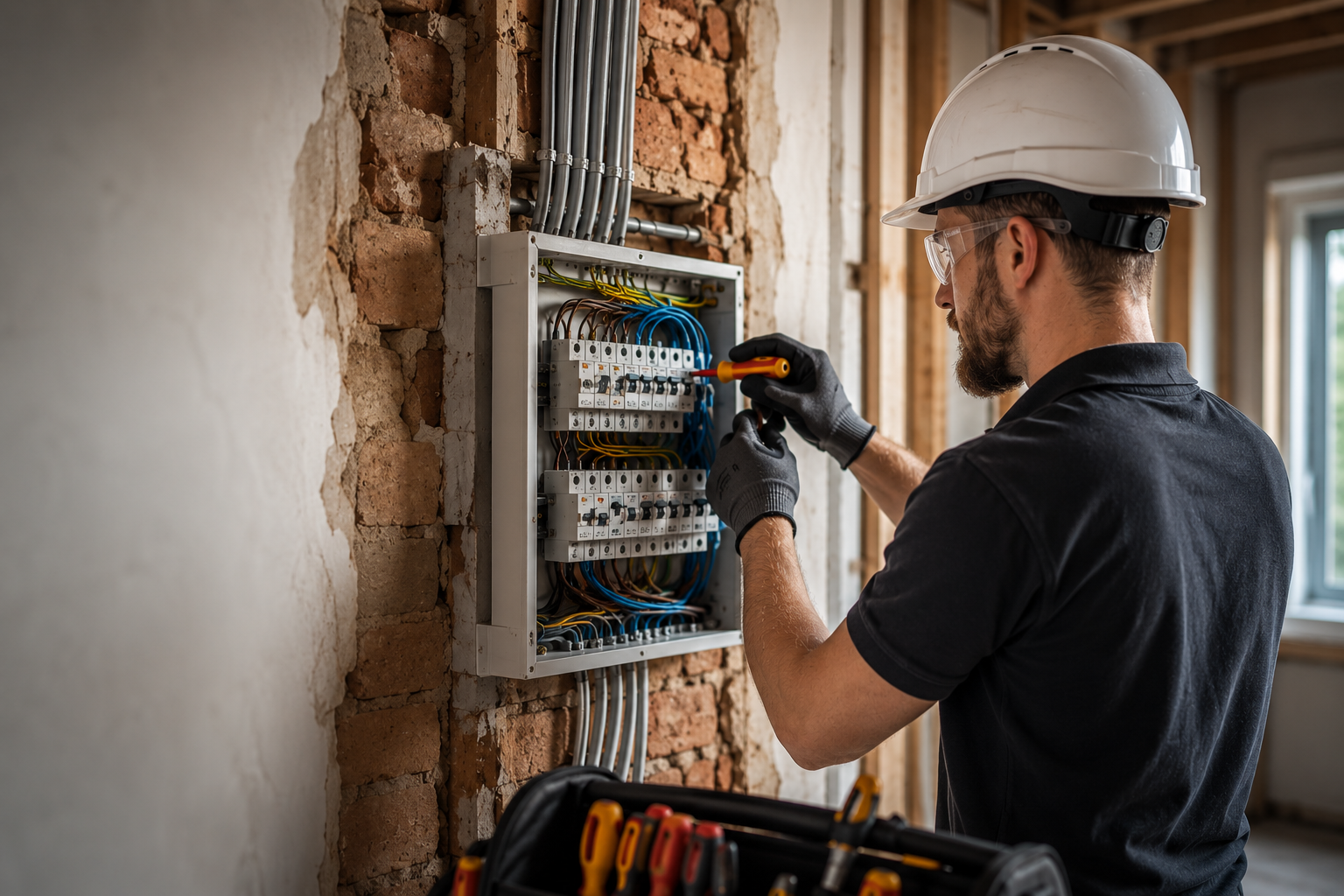
Need a House Rewire in Nottingham?
If your home has old wiring, repeated electrical faults or an installation that no longer meets your needs, professional assessment can help determine the right solution.
RJ Electrical Midlands Ltd provides electrical services and house rewiring in Nottingham, helping homeowners identify outdated installations and plan appropriate electrical upgrades.
Whether you need an individual electrical repair, partial upgrade or full rewire, the first step is establishing the condition of your existing electrics.
Contact RJ Electrical Midlands Ltd to discuss your house rewiring requirements in Nottingham and arrange a professional assessment.
Frequently Asked Questions
How do I know if my house needs rewiring?
Common warning signs include ageing wiring, repeated circuit trips, burning smells, damaged sockets, flickering lights and an outdated electrical installation. A qualified electrician can inspect and test your electrics to determine whether complete rewiring is necessary.
How much does a full house rewire cost?
A home rewire cost depends on property size, accessibility, electrical condition, required circuits, sockets, lighting and additional upgrades. The best way to establish an accurate price is to arrange an assessment and property-specific quotation from an electrician.
How long does it take to rewire a house?
Rewiring times vary according to property size, accessibility, existing wiring and the complexity of the new installation. Your electrician should provide an estimated timescale after inspecting the property and agreeing the required sockets, lighting, circuits and upgrades.
Can I live in my house during a full rewire?
It may be possible to remain at home during some rewiring projects, but significant disruption and temporary power isolation should be expected. Discuss the planned work with your electrician beforehand to understand whether remaining in the property is practical.
Does old wiring always need replacing?
Not necessarily. The age of a property alone does not determine whether rewiring is required. Professional electrical inspection and testing can establish the wiring’s condition and identify whether repairs, individual upgrades, partial rewiring or complete replacement is appropriate.
What does a full house rewire include?
A full rewire typically involves replacing outdated wiring and installing appropriate circuits, sockets, switches, lighting points and associated electrical equipment. The exact specification should be designed around the property’s condition, layout, household requirements and planned future electrical upgrades.